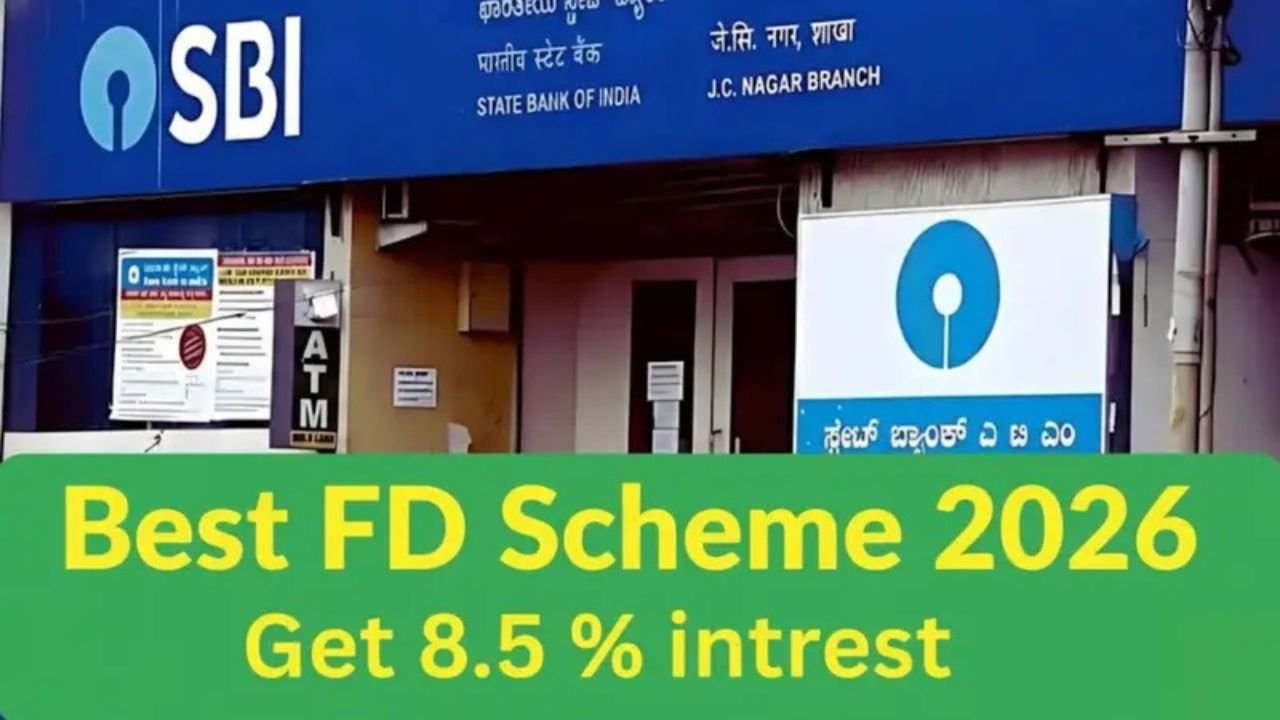
Best FD Schemes in 2026: For investors seeking stability in an uncertain financial climate, fixed deposits (FDs) remain a cornerstone of prudent planning. As we look toward 2026, these instruments continue to offer a reassuring blend of safety and predictable returns. This guide explores how you can incorporate FDs into your financial strategy, ensuring peace of mind while working toward your goals.
The Enduring Appeal of Predictable Growth
In a world of market volatility, the fixed deposit stands out for its simplicity and transparency. You commit a specific sum for a predetermined period, and in return, the financial institution guarantees the repayment of your principal along with accrued interest. This clear structure allows you to plan for future needs—whether funding education, building an emergency corpus, or supplementing retirement income—with a high degree of confidence, knowing your capital is protected.
Projected Fixed Deposit Returns at 8.5% p.a.
| Investment Amount (₹) | Estimated Annual Interest (₹) | Estimated Maturity Value (1 Year) (₹) |
|---|---|---|
| 1,00,000 | 8,500 | 1,08,500 |
| 5,00,000 | 42,500 | 5,42,500 |
| 10,00,000 | 85,000 | 10,85,000 |
| 15,00,000 | 1,27,500 | 16,27,500 |
Strategic Tenure Selection for Optimal Returns
The duration of your fixed deposit is a powerful lever influencing your earnings. Typically, longer tenures are rewarded with higher interest rates. In 2026, locking funds into a medium- to long-term FD could allow you to capitalize on favorable rates for an extended period. However, the “best” tenure is deeply personal. It requires balancing the desire for higher returns with your individual financial timeline. Always ensure your money will be accessible when you need it, without incurring premature withdrawal penalties that could erode your interest earnings.
Monthly Income Plans for Consistent Cash Flow
A significant advantage of fixed deposits is their flexibility in payout structures. For retirees or those seeking a regular income stream, monthly or quarterly interest payout options can provide financial comfort. With competitive rates, these plans transform your savings into a reliable source of income to cover everyday expenses, all while preserving the original investment. This feature makes FDs an excellent tool for budgeting and financial peace of mind.
Understanding the Safety Framework of Fixed Deposits
Fixed deposits are widely considered low-risk investments, particularly those held with scheduled commercial banks and regulated non-banking financial companies (NBFCs). These institutions operate under strict regulatory guidelines designed to protect depositors’ capital. This inherent safety is the primary reason conservative investors and those nearing retirement often allocate a substantial portion of their portfolio to FDs, valuing security over the potentially higher, yet uncertain, returns of market-linked instruments.
A Clear Overview of Potential Earnings
The table below provides projected annual returns based on an illustrative interest rate of 8.5% per annum, compounded annually. Actual returns will depend on the specific financial institution, chosen tenure, and compounding frequency.
Navigating the Tax Implications
It is crucial to consider the tax treatment of FD interest for an accurate picture of your net returns. The interest earned is fully taxable and is added to your total annual income, being taxed according to your applicable income tax slab. Furthermore, banks are mandated to deduct Tax Deducted at Source (TDS) if the annual interest from a single FD exceeds ₹40,000 (₹50,000 for senior citizens). Planning for this tax liability is an essential step in investment planning.
Key Considerations Before You Invest
Before opening a fixed deposit, take time to review the fine print:
- Premature Withdrawal Penalty: Understand the fees or reduced interest rates applicable if you need to break the FD early.
- Auto-Renewal Policies: Clarify what happens upon maturity—whether the FD will auto-renew, and if so, at what rate.
- Interest Payout Options: Decide if you need periodic interest payouts or if a cumulative (interest compounded) FD better suits your goal.
- Institution Credibility: Always invest with reputable, well-regulated banks or financial institutions.
Building a Balanced Financial Future
While fixed deposits may not be tools for explosive wealth creation, they serve a vital role in a diversified portfolio. They provide a stable, risk-averse foundation upon which you can build with other investment avenues like equities or mutual funds. In 2026, FDs offering competitive rates represent a dependable choice for preserving capital and achieving steady, predictable growth, contributing significantly to long-term financial well-being.
Frequently Asked Questions (FAQs)
1. Are fixed deposits truly safe?
Yes, fixed deposits with scheduled commercial banks are among the safest financial instruments available, offering strong capital protection due to stringent banking regulations.
2. Who is the ideal investor for a fixed deposit in 2026?
FDs are ideal for risk-averse individuals, retirees seeking stable income, short-term goal planners, and anyone looking to balance a portfolio with a secure asset class.
3. Can I get a loan against my fixed deposit?
Yes, most banks offer loans against fixed deposits. The interest rate on such loans is typically only 1-2% above the FD rate, making it a cost-effective credit option in emergencies.
4. How is the interest on my FD taxed?
The interest is fully taxable as “Income from Other Sources” under your applicable income tax slab. TDS may be deducted by the bank as per prevailing rules.
5. Should I put all my savings into fixed deposits?
Financial advisors generally recommend diversification. While FDs are excellent for safety and liquidity, a mix of assets aligned with your risk profile and goals is the healthiest strategy for long-term wealth creation.